Introduction to Hibachi Vegetables Recipe
When you think of hibachi, vibrant images of sizzling meat, fresh vegetables, and that signature smoky flavor likely come to mind. However, let’s shine the spotlight on the often-underestimated hibachi vegetables. This Hibachi Vegetables Recipe not only brings restaurant-quality taste right into your kitchen but also allows you to indulge in delicious, healthy offerings without breaking the bank.
Why Hibachi Vegetables are the Perfect Homemade Choice?
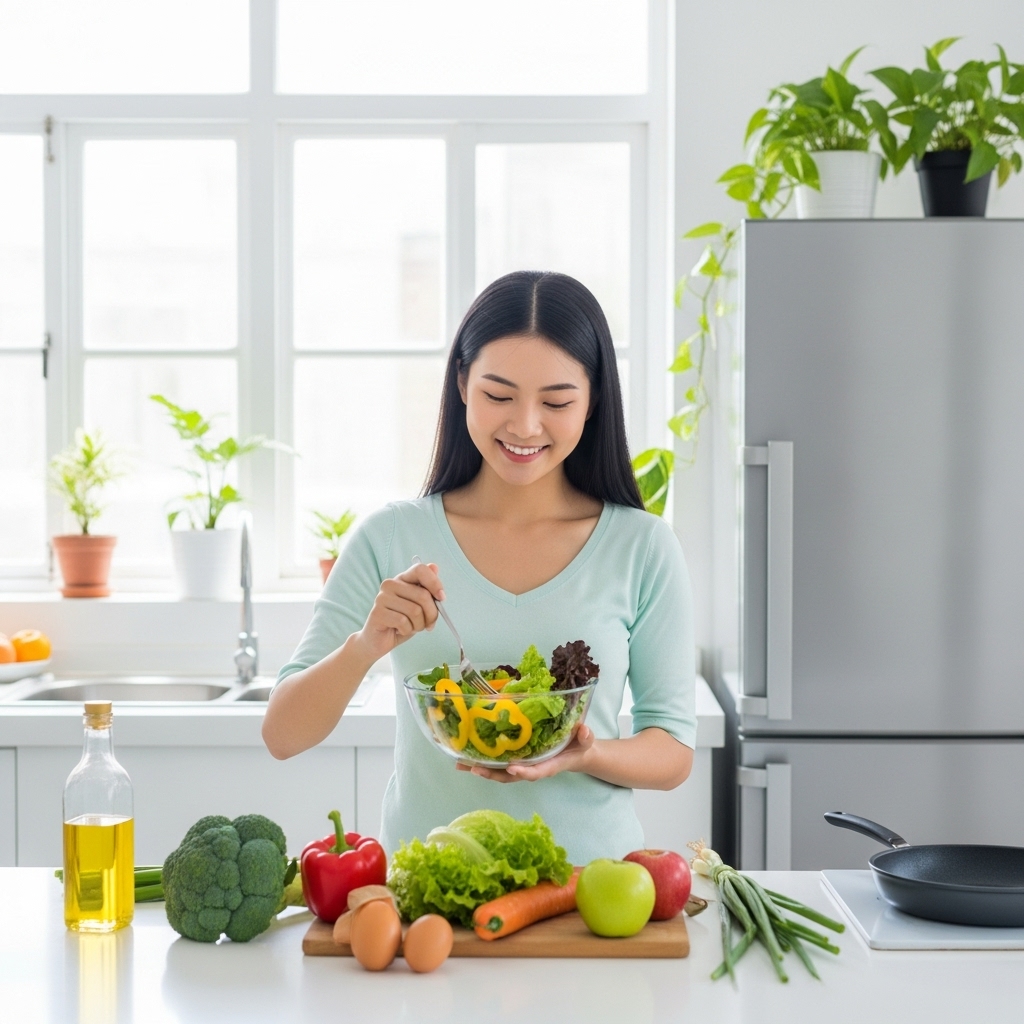
One might wonder, why should you whip up hibachi vegetables at home? Well, for starters, making them yourself gives you complete control over the ingredients. You can opt for organic produce, catering to your dietary preferences or restrictions. Research shows that consuming a variety of vegetables can boost your overall health, providing essential vitamins and minerals that keep you energized throughout your busy day.
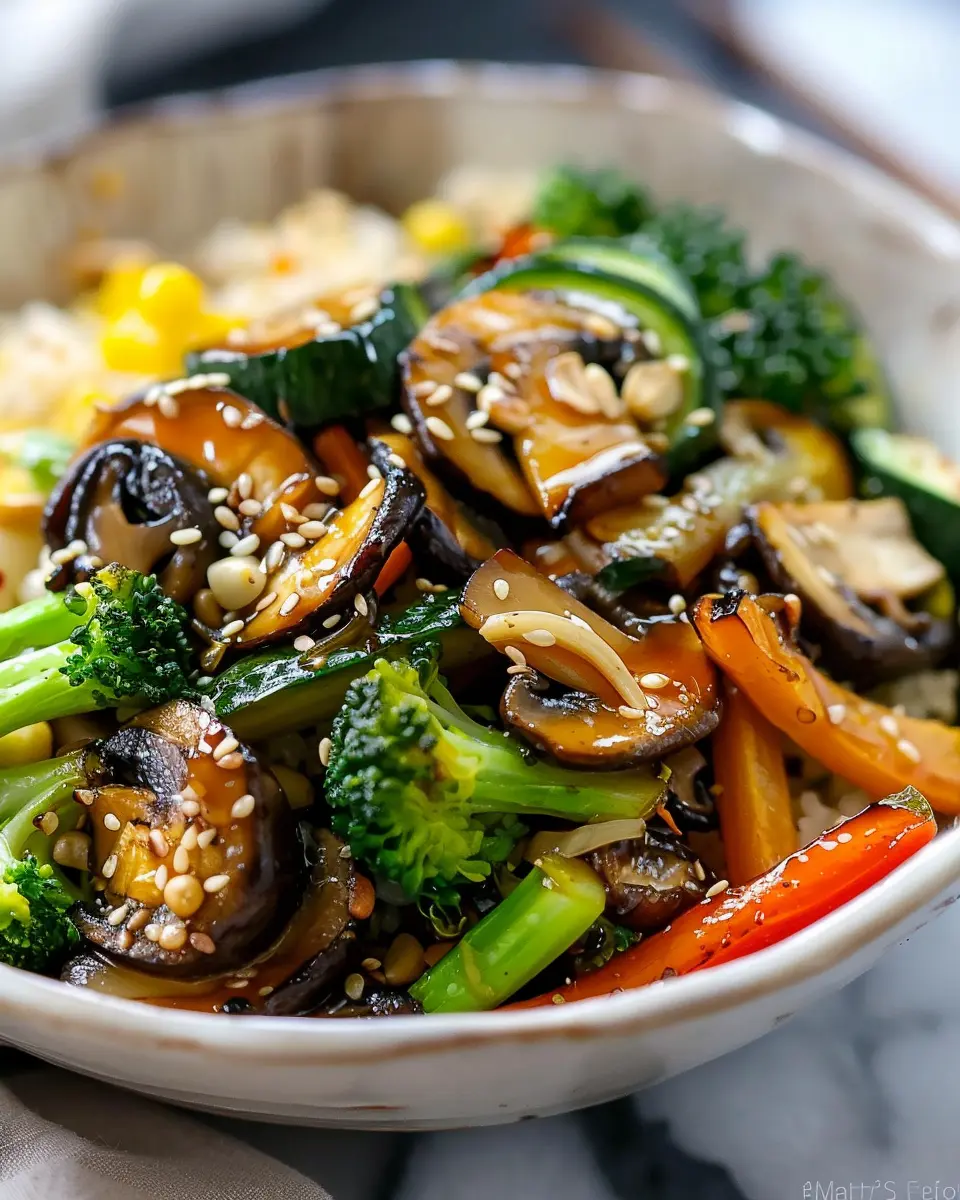
Hibachi cooking typically involves a quick stir-frying technique, which not only locks in flavors but also preserves the nutrients. This method creates a perfect blend of crunchy and tender veggies that are truly satisfying. Just imagine the aroma of fresh zucchini, bell peppers, and mushrooms sizzling away! If you’re looking to increase your vegetable intake or simply add a colorful side to your meals, this hibachi vegetable recipe is your go-to.
Furthermore, these veggies pair beautifully with a range of proteins—from tender chicken ham to savory turkey bacon. Whether you’re designing a casual dinner for friends or preparing a weeknight meal for yourself, this recipe fits seamlessly into any culinary plan.
To give you an added boost of confidence in your cooking, consider this: preparing hibachi vegetables isn’t just easy; it’s also an engaging way to spend time in the kitchen. You might even find yourself mastering the art of the hibachi griddle with a few practice runs!
If you’re ready to dive into this exciting homemade journey, grab your chef’s apron and let’s get started on creating a colorful plate of hibachi veggies that will impress your taste buds and brighten your dinner table.
For additional inspiration and tips on cooking vegetables, you might want to check out Healthline for a deeper dive into the health benefits of incorporating more greens into your diet.
Ingredients for Hibachi Vegetables
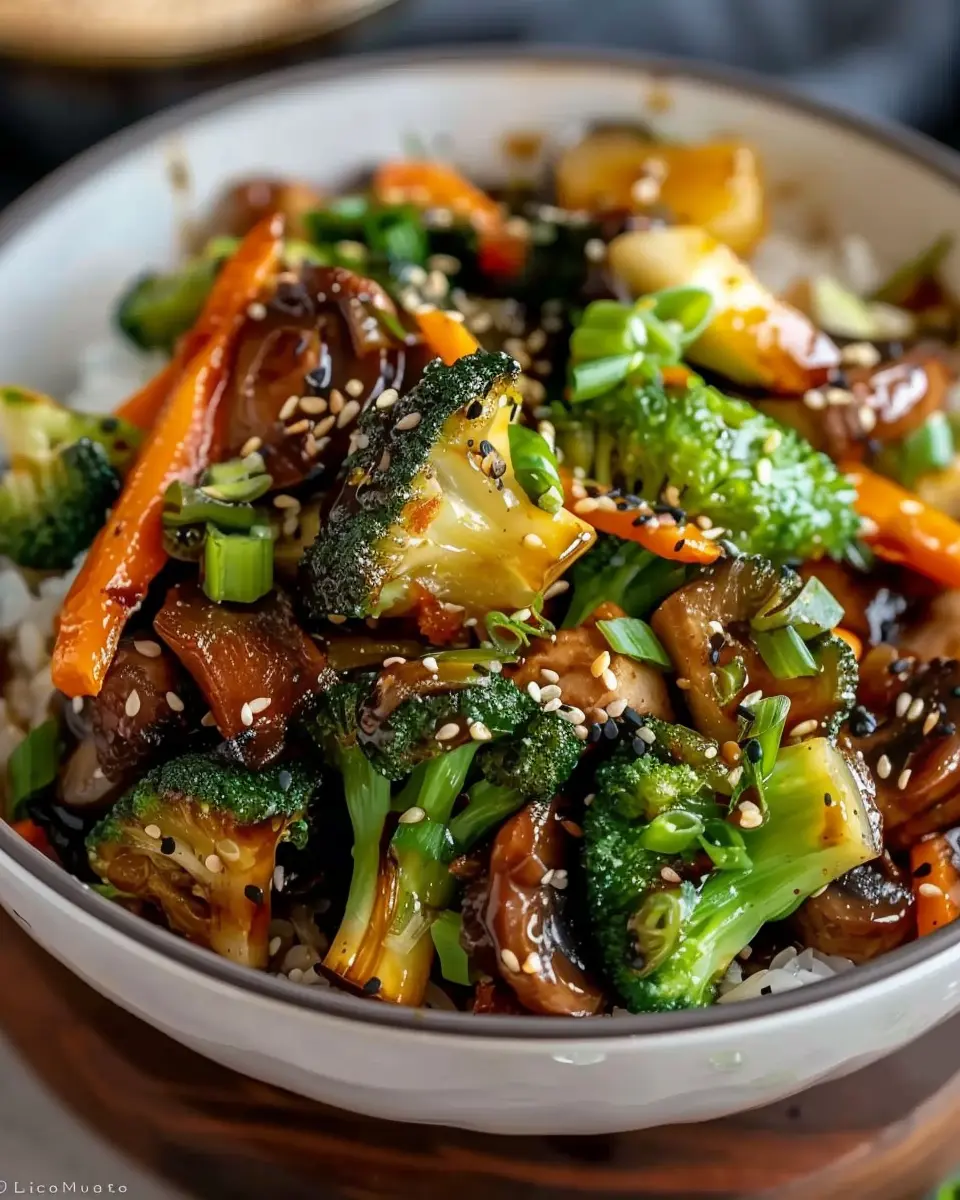
Creating delicious Hibachi Vegetables at home is simpler than you might think! Before you dive into the cooking process, let’s gather the essentials. Here’s what you’ll need to whip up this delightful dish that’s perfect for a quick weeknight meal or a special gathering.
Fresh Vegetables
- Zucchini: 1 medium-sized, sliced
- Yellow Squash: 1 medium-sized, sliced
- Broccoli Florets: 1 cup
- Carrots: 1 medium, thinly sliced
- Bell Peppers: 1 cup, a mix of colors (red and yellow for sweetness)
- Onion: 1 medium, sliced
Flavor Boosters
- Soy Sauce: 2 tablespoons
- Sesame Oil: 1 tablespoon for that nutty aroma
- Garlic: 2 cloves, minced (because garlic makes everything better!)
Protein Additions
For those looking to add a protein kick, consider including Turkey Bacon or Chicken Ham for a twist. Both can enhance the flavor and add texture to your dish.
Don’t forget about serving suggestions! Pair your Hibachi Vegetables with steamed rice or fried rice for a complete meal. For more cooking tips, check out resources like Serious Eats or Bon Appétit for inspiration. Now that we have our ingredients sorted, it’s time to turn up that heat and get cooking!
Step-by-Step Preparation of Hibachi Vegetables
Enhancing your culinary repertoire with a fabulous Hibachi Vegetables Recipe can be a game changer in your weeknight dinner rotation. This colorful dish is packed with flavor and nutrition, and here’s how to prepare it step-by-step, ensuring a delicious outcome every time.
Gather Your Veggies and Equipment
Before diving into the cooking process, it’s essential to gather all the ingredients and tools you’ll need. Here’s a quick list to get you started:
- Vegetables: Onions, mushrooms, broccoli, zucchini, and squash.
- Equipment: A large skillet or wok, a sharp knife, and a cutting board.
- Cooking essentials: Olive oil, soy sauce, honey, garlic, and ginger. Don’t forget butter for that finishing touch!
By having everything ready, you can enjoy the cooking experience without scrambling to find ingredients mid-recipe.
Heat Your Skillet for Maximum Flavor
Now that you’ve assembled your ingredients, it’s time to bring the heat. Place your skillet or wok on medium-high heat. The goal here is to get the pan nice and hot, which will give your vegetables that tantalizing sear which adds depth to the dish. To achieve that coveted hibachi-style cooked flavor, add a splash of olive oil and let it shimmer before adding your veggies.
Start with Onions for Sweetness
Once your skillet is prepped and heated, add in your onions first. Sautéing onions not only introduces a naturally sweet layer to your Hibachi Vegetables Recipe, but it also infuses the oil with flavor. Cook them for about 2-3 minutes until they’re translucent and starting to caramelize. The fragrance will fill your kitchen, setting the scene for a nourishing dish!
Add Mushrooms and Broccoli for Texture
Next up, toss in sliced mushrooms and bite-sized broccoli florets. The mushrooms will absorb the flavors in the pan while adding a delightful texture, and broccoli introduces a nice crunch. Stir everything together and allow them to cook for another 3-4 minutes until they soften but still retain some bite. It’s during these moments that you should consider the nutritional benefits; broccoli is known for being high in vitamins K and C. Want to know more about the benefits of these veggies? Check nutritiondata.self.com for a detailed breakdown.
Introduce Zucchini and Squash
After your broccoli and mushrooms have sautéed perfectly, it’s time to introduce your sliced zucchini and squash. These tend to cook faster, so stir-fry everything for an additional 2-3 minutes. Keep an eye on them; you want them tender but not mushy. Their natural sweetness will complement the other vegetables beautifully, making your dish vibrant and visually appealing.
Create Depth with Garlic and Ginger
Feeling adventurous? Now’s the time to bring in some zing! Add minced garlic and ginger. The key here is to add them towards the end of the cooking process because they can burn easily. Stir them in for about 30 seconds until they release their aromatic scents, adding an extra width of flavor, complexity, and fragrance to your meditation on vegetables.
Glaze with Soy Sauce and Honey
Once the garlic and ginger have melded beautifully with your veggies, it’s time to add a bit of liquid gold: a splash of soy sauce and a drizzle of honey. This combination not only enhances the uh-mazing flavors but also gives your vegetables that attractive glossy finish. Cook for another 2 minutes, tossing everything to ensure even distribution.
Finish with Butter, Salt, and Pepper
To elevate your dish to ultimate satisfaction, add a tablespoon of butter, cracking fresh salt and pepper over it all. This final addition creates a rich and velvety mouthfeel—and who can resist that? Stir everything together for 1 minute, allowing the butter to melt and coat your vegetables.
And there you have it! Perfectly sautéed hibachi vegetables that you can serve alongside grilled chicken ham or perhaps some turkey bacon for a complete meal. Enjoy the vibrant colors, incredible textures, and delightful flavors as you sit down to your homemade hibachi feast.
By following this Hibachi Vegetables Recipe, you’ll impress not only yourself but anyone fortunate enough to join you for dinner!
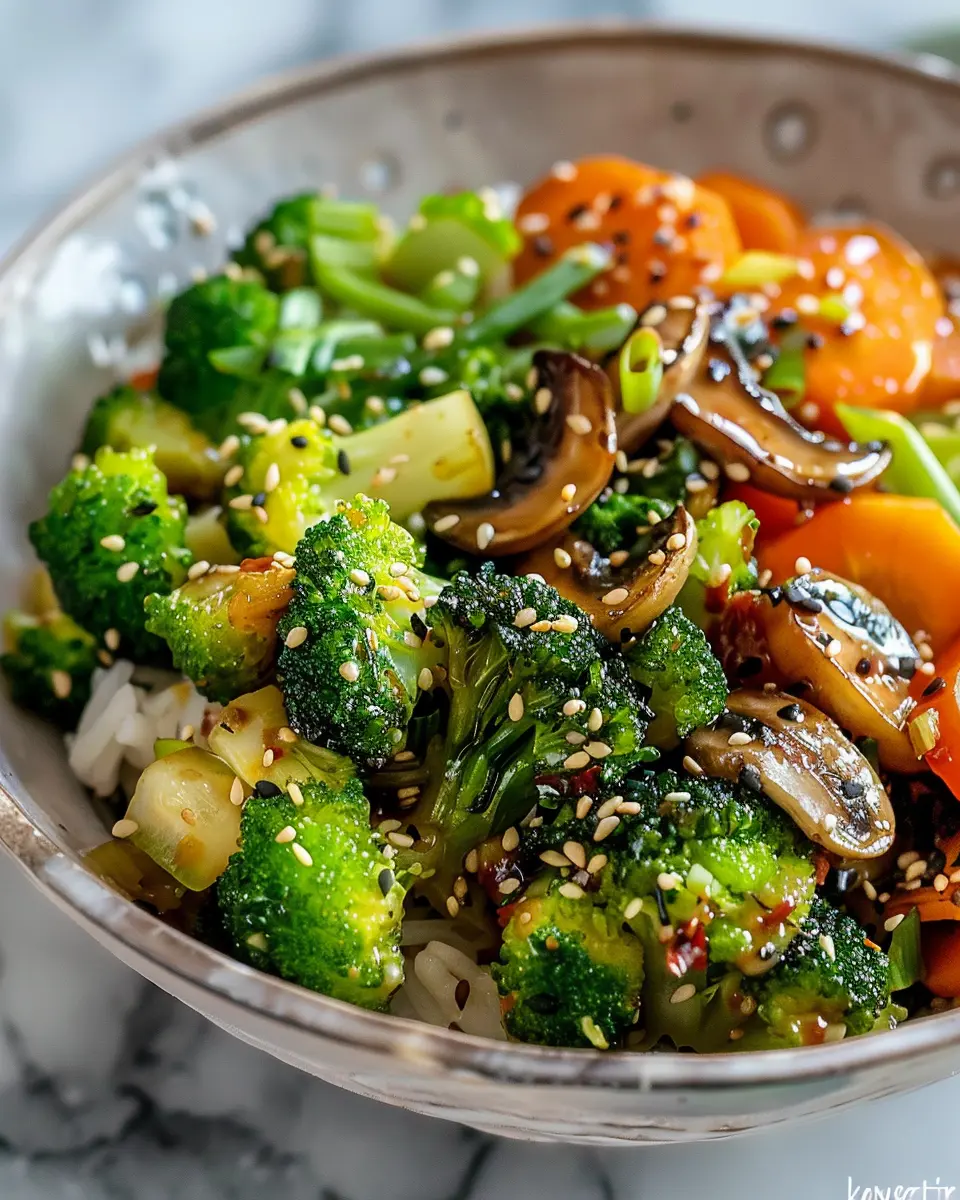
Creative Variations on Hibachi Vegetables
Add Protein for a Complete Meal
If you want to elevate your Hibachi Vegetables Recipe into a complete, hearty meal, consider adding some protein. Chicken ham and turkey bacon are excellent options that not only provide flavor but also boost nutritional value. You can easily toss in some diced grilled chicken or shrimp for a classic hibachi touch. For a vegetarian twist, try protein-packed options like tofu or tempeh. Each addition not only rounds out the dish but also invites more texture and taste, making your meal a delightful feast.
Experiment with Different Vegetables
One of the best parts of making hibachi vegetables is the versatility it offers. While traditional choices might include zucchini, bell peppers, and mushrooms, don’t hesitate to get creative. Adding seasonal vegetables like asparagus or Brussels sprouts can bring new flavors to the forefront. You can also try some hearty root veggies such as carrots or sweet potatoes. Experimenting with textures and flavors can transform your hibachi vegetables into a personalized dish that reflects your unique taste.
Spice It Up: Hibachi with a Kick
If you’re looking to add an exciting twist to your Hibachi Vegetables Recipe, spice it up! Incorporate some chili flakes or a dash of sriracha for a subtle heat. You could also blend in some ginger or garlic for added aromatic complexity. For those who love bold flavors, consider using a drizzle of miso glaze or a sprinkle of sesame seeds to elevate the flavor profile. Don’t shy away from experimenting; after all, the beauty of cooking is in the creativity of the chef!
By incorporating these variations, your hibachi vegetables can be tailored to satisfy your cravings while still maintaining that fabulous hibachi essence. Ready to hit the grill?
Cooking Tips and Notes for Hibachi Vegetables
When making your Hibachi Vegetables Recipe, there are a couple of key tips to keep in mind to get that perfect, restaurant-quality dish right at home.
Use High Heat for Better Char
To achieve that delightful sear, crank up the heat! High temperature helps to char the vegetables quickly, enhancing the flavors. This technique not only provides a wonderful texture but also creates those beautiful grill marks that make your dish visually appealing. If you’re using a stovetop, consider opting for a cast-iron skillet or a wok for even heat distribution.
Don’t Overcrowd the Pan
It can be tempting to toss all your veggies into one pan, but patience is key. Overcrowding leads to steaming rather than that sought-after sauté. Instead, cook your vegetables in batches. This ensures each piece gets that delicious caramelization while maintaining its individual flavor.
For more tips on cooking vegetables, check trusted sources like The Kitchn to refine your techniques. Happy cooking!
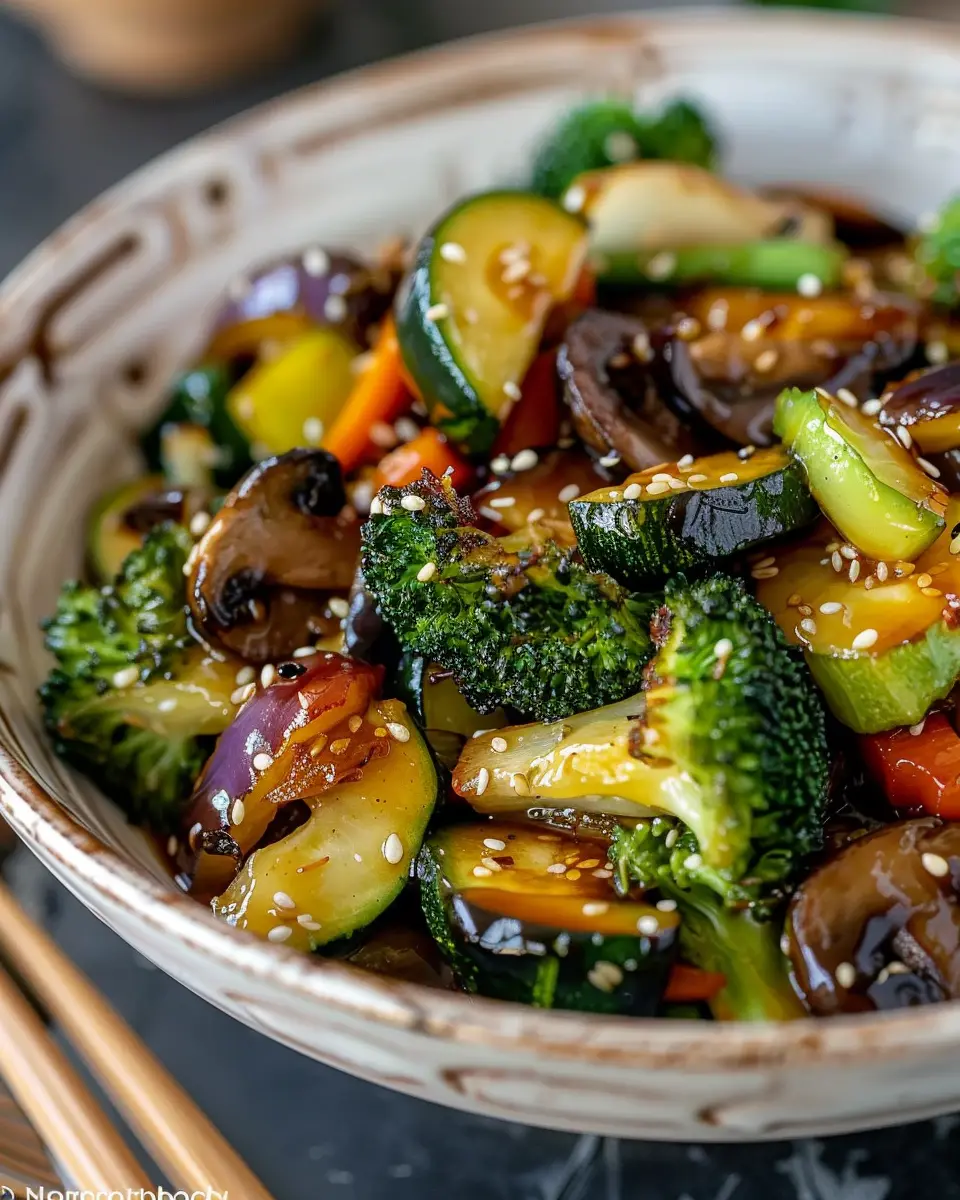
Serving Suggestions for Hibachi Vegetables
Pair with Rice or Noodles
One of the best ways to enjoy your Hibachi Vegetables Recipe is by pairing them with a hearty serving of rice or noodles. Whether you choose classic white rice, brown rice, or even fried rice, the tender veggies complement these starchy bases perfectly. If you’re looking for a noodle option, try udon or soba noodles for their unique texture and flavor. Tossing the vegetables right into the mix creates a rich and satisfying dish that’s not just delicious but also visually appealing.
Perfect Accompaniments: Dipping Sauces and Proteins
Enhance your meal by serving your hibachi vegetables with a variety of dipping sauces. Soy sauce, ginger garlic sauce, or a tangy teriyaki sauce can elevate the flavors remarkably. For a protein boost, consider adding grilled chicken ham, shrimp, or even turkey bacon for a crunchy twist. Not only do these options satisfy different palates, but they also create a well-rounded meal.
Looking for an extra layer of flavor? A sprinkle of sesame seeds or a drizzle of spicy mayo can take your dish to the next level. Want to switch it up? Check out this guide to savory dipping sauces for more inspiration.
Embrace the versatility of hibachi vegetables—they can adapt to whatever ingredients you have on hand!
Time Breakdown for Hibachi Vegetables Recipe
Preparation Time
Getting your ingredients ready is half the fun! Spend about 10 minutes chopping your choice of vegetables—think zucchini, bell peppers, onions, and mushrooms. Having everything prepped in advance makes the cooking process a breeze.
Cooking Time
The actual cooking is quick and delicious, taking roughly 8-10 minutes. You’ll be amazed at how fast that searing heat transforms your veggies into a flavorful dish. Just remember to keep stirring to ensure even cooking.
Total Time
In total, you’re looking at around 20-25 minutes from start to finish. Perfect for a weeknight dinner or an impressive gathering! You can also check out this excellent post on meal prep for tips on making your cooking even more efficient.
Incorporating this Hibachi Vegetables Recipe into your routine will definitely impress guests while keeping dinner simple!
Nutritional Facts for Hibachi Vegetables
Calories
When you’re preparing a Hibachi Vegetables Recipe, you’ll be pleased to know that veggies are generally low in calories yet high in nutrition. A typical serving of hibachi vegetables, loaded with zucchini, bell peppers, and onions, contains around 90 calories. This makes them an excellent choice for anyone looking to maintain a healthy lifestyle without sacrificing flavor.
Nutritional Benefits of Each Vegetable
In your hibachi spread, each vegetable adds its own unique nutritional profile:
- Zucchini: Packed with vitamins A and C, zucchini helps boost immunity and supports skin health.
- Bell Peppers: These colorful veggies are rich in antioxidants and vitamin C, aiding in overall health while adding a delightful crunch.
- Onions: Offering anti-inflammatory benefits, onions are great for heart health and can help regulate blood sugar levels.
- Broccoli: Known for its cancer-fighting properties, broccoli is high in fiber and full of essential vitamins like K and C.
Incorporating these vibrant vegetables not only enhances the taste of your Hibachi Vegetables Recipe but also brings valuable nutrients to your plate. Cooking them quickly over high heat retains their vitamins and minerals, making them a healthy addition to your dining experience. For more insight into vegetable nutrition, check out resources like the USDA FoodData Central or the Harvard T.H. Chan School of Public Health.
Eating healthy doesn’t have to be boring—let these vibrant veggies inspire creativity in your meal prep!
FAQs about Hibachi Vegetables
Can I make this recipe vegan?
Absolutely! Our Hibachi Vegetables Recipe is incredibly versatile and can easily be transformed into a vegan delight. Simply omit any non-vegan ingredients, such as butter or chicken ham, and replace them with plant-based options. For the sauce, you can use vegetable broth and a splash of rice vinegar to enhance the dish’s flavors without compromising your dietary preferences. Trust me, your taste buds will thank you!
What are good alternatives for soy sauce?
If you’re looking to switch up the soy sauce in your Hibachi Vegetables Recipe, there are several fantastic alternatives to consider:
- Tamari: This gluten-free option has a similar savory flavor and can be used in equal parts.
- Coconut Aminos: Made from coconut sap, it’s a soy-free option with a slightly sweeter taste.
- Liquid aminos: This alternative is often less salty and provides a good umami flavor.
These substitutes won’t just work; they’ll elevate your dish, all while accommodating various dietary needs.
How can I store leftover Hibachi vegetables?
Storing your Hibachi Vegetables is easy! Here’s how you do it:
- Cool Down: Allow the vegetables to cool to room temperature.
- Container: Transfer them into an airtight container.
- Chill: Place the container in the fridge and consume them within 3 to 5 days.
For longer storage, consider freezing them. Just place the vegetables in a freezer-safe bag and enjoy them within three months because the fresher, the better!
Feel free to dive deeper into the world of hibachi by checking out culinary resources like The Spruce Eats for more tips and recipe variations!
Conclusion on Hibachi Vegetables Recipe
In wrapping up our discussion on this Hibachi Vegetables Recipe, it’s clear that enjoying vibrant, flavorful veggies is easier than ever. This dish not only brings a taste of the grill to your home but also promotes healthier eating by incorporating a variety of colorful vegetables.
As you prepare your hibachi meal, consider customizing your veggie mix to suit your personal tastes. Did you know that incorporating more vegetables into your diet can improve overall wellness? Check out sources like the CDC’s fruits and veggies campaign for more tips! Enjoy the process, and delight in the delicious outcomes. Sharing this dish at gatherings can spark joy and inspire conversations about healthy eating. Happy cooking!
PrintHibachi Vegetables Recipe: Easy and Delicious for Fast Food Lovers
This Hibachi Vegetables Recipe is perfect for fast food lovers looking for a quick and tasty dish.
- Prep Time: 10 minutes
- Cook Time: 10 minutes
- Total Time: 20 minutes
- Yield: 4 servings
- Category: Vegetables
- Method: Stir-fry
- Cuisine: Japanese
- Diet: Vegetarian
Ingredients
- 2 cups zucchini, sliced
- 2 cups bell peppers, sliced
- 1 cup carrots, julienned
- 2 tablespoons sesame oil
- 2 tablespoons soy sauce
- 1 tablespoon garlic, minced
- 1 teaspoon ginger, grated
Instructions
- Heat sesame oil in a large skillet over medium-high heat.
- Add garlic and ginger, sauté for 1 minute.
- Add zucchini, bell peppers, and carrots, stir-fry for about 5-7 minutes until vegetables are tender-crisp.
- Pour in soy sauce and toss to combine, cooking for an additional 1-2 minutes.
- Remove from heat and serve immediately.
Notes
- This dish is best served hot.
- Feel free to add your favorite vegetables.
Nutrition
- Serving Size: 1 cup
- Calories: 150
- Sugar: 4g
- Sodium: 500mg
- Fat: 10g
- Saturated Fat: 1g
- Unsaturated Fat: 9g
- Trans Fat: 0g
- Carbohydrates: 15g
- Fiber: 3g
- Protein: 3g
- Cholesterol: 0mg